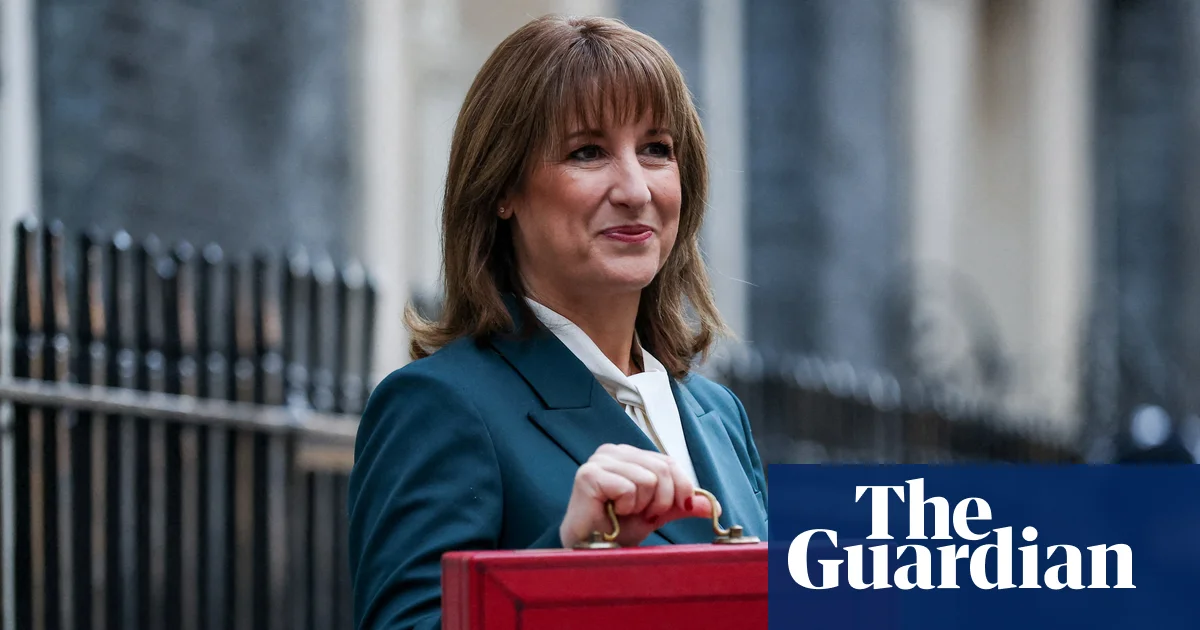
Rachel Reeves has positioned Labour to fight the next general election with tax increases and spending cuts that resemble a work of “fiscal fiction”, an analysis by leading economists has warned.
In its verdict on the chancellor’s budget, the Institute for Fiscal Studies (IFS) said the chancellor had chosen a high-risk strategy by backloading her plans to start just before voters go the polls in 2029.
Helen Miller, the thinktank’s director, said the budget plans would involve “near-heroic restraint in an election year” and suggested that Labour may ultimately be forced to abandon some of its tax-raising measures or planned spending cuts.
“[It is] a backloaded set of tax rises that almost entirely delay the pain. It’s reminiscent of the fiscal fictions of recent years. I hope this is a government able to deliver on its plans. But I have my doubts,” she said.
With Labour trailing Nigel Farage’s Reform UK in the opinion polls, the IFS said Reeves’s decision to freeze income tax and national insurance thresholds for an extra three years would hit workers in the pocket.
By 2029, more than a quarter of all taxpayers are expected to be dragged into the highest income tax brackets. Basic-rate taxpayers will be expected to pay £220 more tax each year by 2029, while those on a higher-rate will pay £600 more.
Reeves herself warned at last year’s budget that extending the freeze, first introduced by the Conservatives and now described by opposition parties as a war on the middle class, would hurt working people.
Separate analysis by the Resolution Foundation published on Thursday showed that almost three-quarters of the £77bn of extra tax over the next five years would come after April 2029 – with as much as £26bn in 2029-30 alone, when the next general election is expected.
Other budget measures due to come in near the end of the parliament include: a pay-per-mile levy on electric vehicles from April 2028, and a £2,000 annual cap on how much can be paid into salary-sacrifice pension schemes without incurring employer and employee national insurance contributions.
The government also plans to limit growth in day-to-day departmental spending to about 0.5% a year in real terms in the two financial years from April 2028, down from a previous assumption of about 1% a year.
The Resolution Foundation said the savings drive being pencilled in would amount to “pre-election austerity”, but the Treasury has argued that its savings will come from efficiencies rather than cutting services.
However, the IFS noted that successive governments had typically topped up spending plans. “Perhaps the government really will be able to find new efficiency savings. Or, maybe, when the time comes, and as the election looms it will find that the spending plans are unrealistically low,” Miller said.